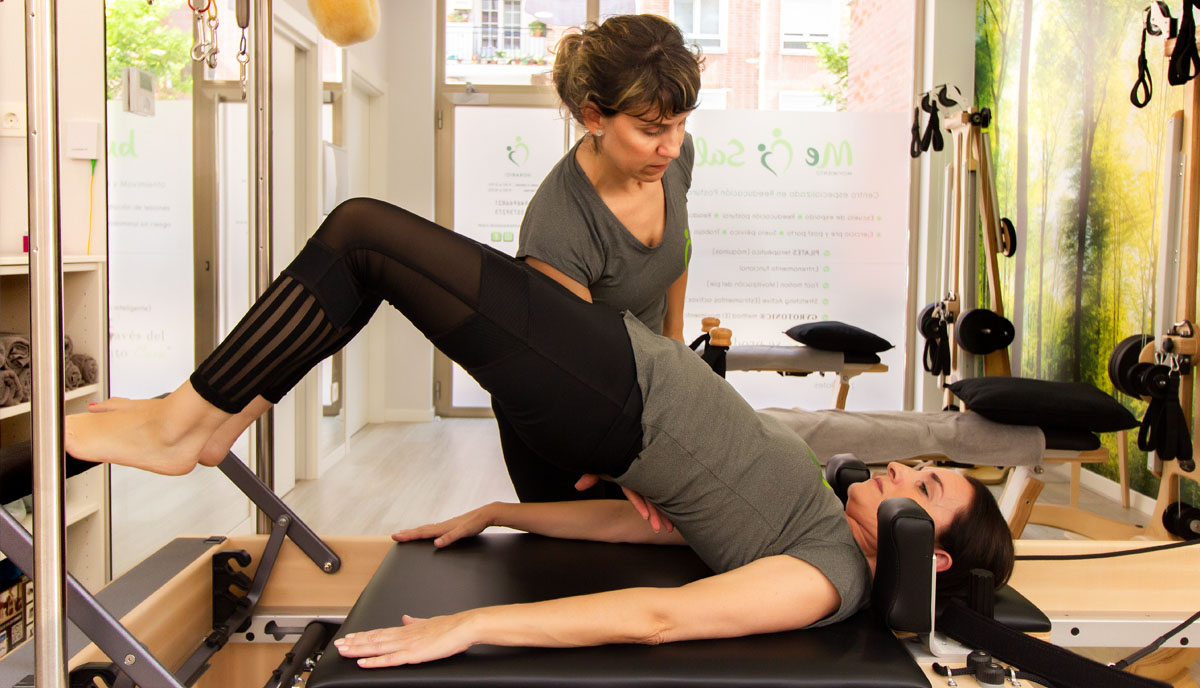
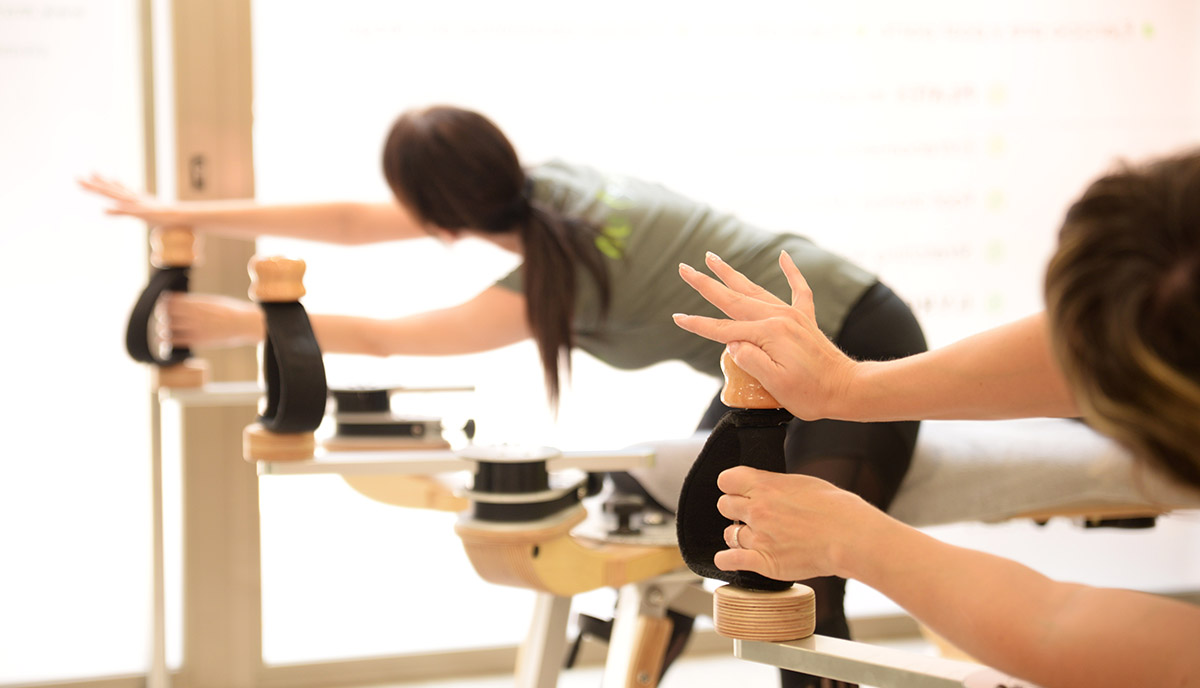
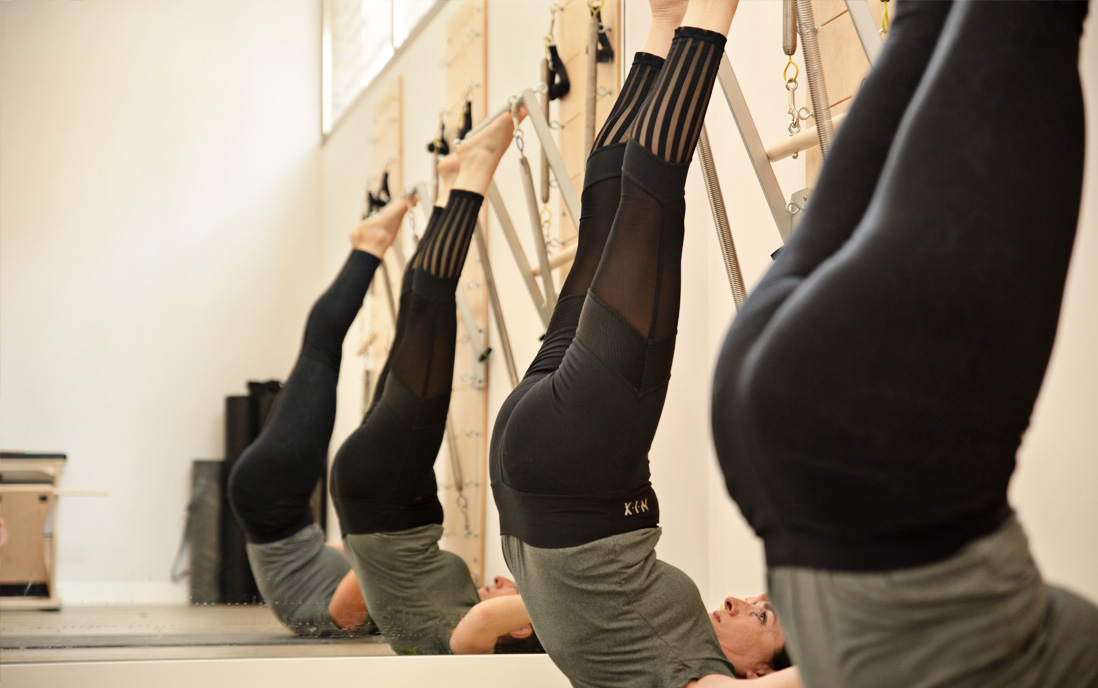
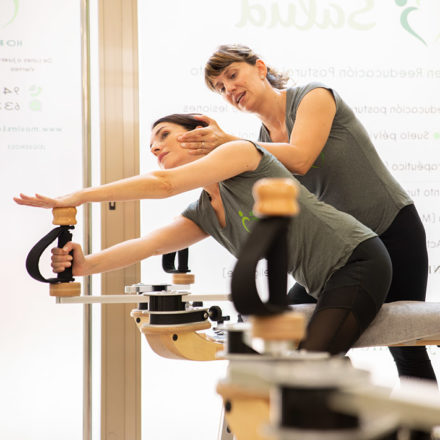
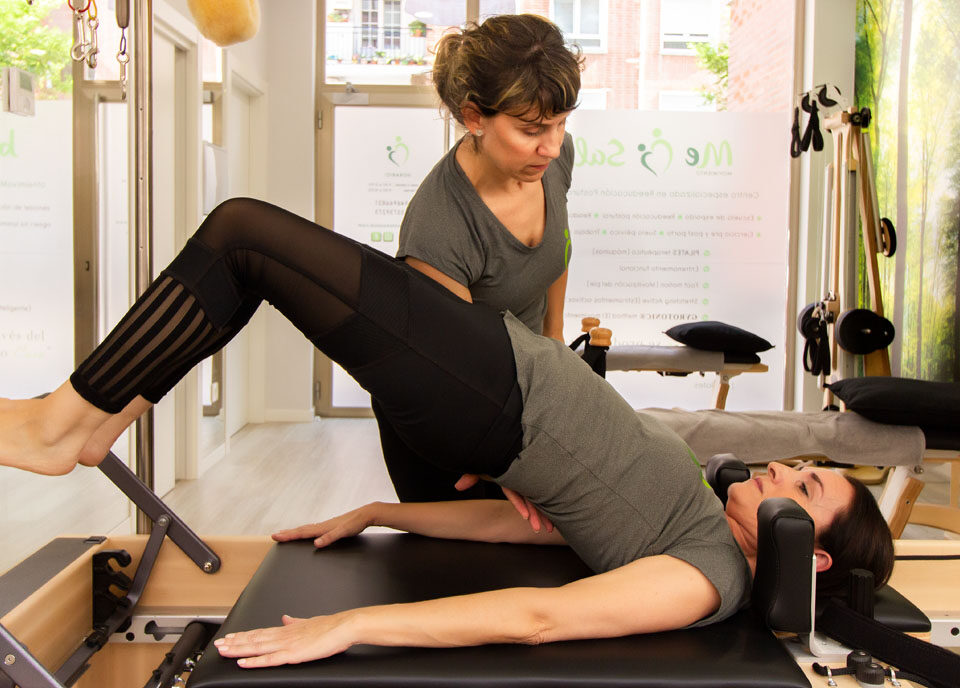
It is a work purely body-centered muscles trasversos abdominaland it is specially used for rehabilitation and treatment of injury, so that is a functional activity, and centered in the toning of the body that does not seek to both the relaxation of the nervous system.
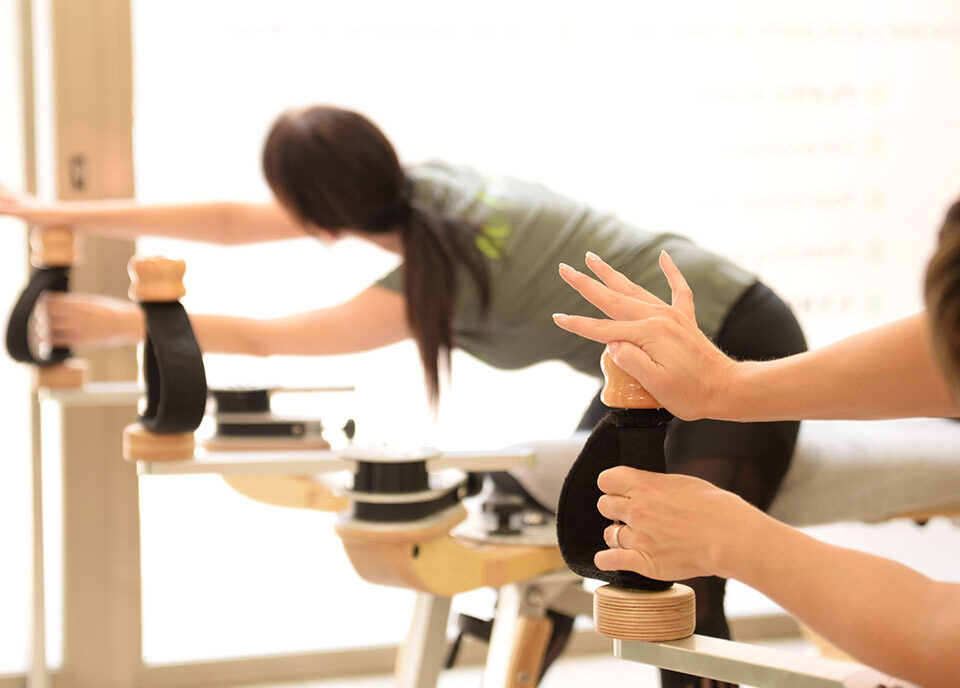
In its classical school we can find 34 exercises, although other arising ex post have been adapting to the needs of the learners in terms of their physical condition and age. It is mostly done lying down (except in the case of used machines), and the type of breathing that employ is nose-to-mouth, seeking to make the exercises more effective through dynamic poses for more muscle strengthening that's flexibility.
Yoga: spiritual connection
For its part, yoga is a discipline, a millennial from the far east for which we have data of its existence since the SEVENTEENTH century.c. and in whose evolution involving hundreds of yogis. Search relax to the student mentally, emotionally, and physically. But, unlike with pilates, your goal is not the body, as this is used only as a means to achieve mental relaxation and to connect with our own essence. Although, today, in the west, is bounded to a physical practice, it is something more spiritual, which is far beyond that of a working body.
It reduces stress because calms the nervous system and prevents diseases related to it. Although due to the variety of types that exist, you can choose between one more intense, more physical or spiritual. Its purpose, aside from spin a sequence of asanas, it is the concentration in static postures, so it works the flexibility of a more direct way. In addition, it is usually done standing (using a breathing nose-nose), therefore, it is best for those people who are dizzy with exercises lying down.
How to opt for one or the other?
The best advice that can be given to a person who wants to opt for one of these two disciplines is go to testing classes of both. In pilates the varieties are scarce and so there are only varieties of soil and machines, while that in yoga there are endless styles (hatha, ashtanga, vinyasa, kundalini...) which can be further adjusted to your needs. However, there is one aspect that can make the difference in your choice of: the master. We choose a professor that connect, to guide us in practice, we correct them and help us avoid injury.


 EN
EN  ES
ES